Why your mouth feels dry and what to do
It’s not a nice way to wake up, with your tongue feeling stuck to the roof of your mouth. It almost feels like a dry and uncomfortable piece of toast which has been left out too long. Most people occasionally experience this after a salty meal, a late night, or mild dehydration. In those moments, a glass of water is usually all it takes.
Stickiness that sticks around, however, is a different story. When that dry, gluey sensation persists well beyond the morning or follows you throughout the day, it deserves closer attention. Persistent dry mouth is common, but it is not something to brush aside.
Saliva plays a far greater role in oral health than many realise. It protects teeth, supports gum health, and helps maintain balance within the mouth. Understanding why saliva matters, what can disrupt its flow, and when professional advice is warranted can make a meaningful difference to your long-term oral health.
What is dry mouth (xerostomia)?
Dry mouth, medically referred to as xerostomia, occurs when the salivary glands don’t make enough saliva to keep the mouth properly lubricated. This lack of saliva may be temporary or ongoing, depending on the underlying cause.
Saliva is far more than moisture. It contains enzymes that begin digestion, minerals that help strengthen tooth enamel, and protective proteins that control bacterial growth and neutralise acids. When saliva flow is reduced, these protective mechanisms weaken. As a result, the mouth becomes more prone to irritation, tooth decay, gum disease, and oral infections.
When dry mouth is normal and when it is not
Occasional dry mouth is usually harmless and short-lived. It commonly occurs:
- During sleep
- With dehydration
- After physical exertion
- During periods of stress or heightened anxiety
In these situations, saliva production typically returns to normal once the underlying trigger has passed.
Persistent dry mouth is different and warrants closer attention. When dryness is present most days, interferes with speaking, chewing, or swallowing, or occurs alongside other symptoms, it is not considered a normal variation. Ongoing xerostomia increases the risk of tooth decay, gum disease, oral infections, and chronic discomfort, making professional assessment important.

Why people get dry mouth
Medications
Dry mouth is a well-recognised side effect of many commonly prescribed medications. These drugs may reduce saliva production or alter its composition. Examples include:
- Antidepressants and anti-anxiety medications
- Blood pressure medications
- Antihistamines
- Certain pain relief medications
- Some treatments for asthma and acid reflux
The drying effect is often more pronounced when multiple medications are taken at the same time.
Lifestyle factors
Everyday habits can significantly influence saliva flow, sometimes without obvious warning signs. Common contributors include:
- Inadequate fluid intake
- Smoking or vaping
- High consumption of caffeine or alcohol
- Mouth breathing, particularly during sleep
These factors frequently overlap, allowing mild dryness to become persistent over time.

Underlying health conditions
Some medical conditions interfere directly with the function of the salivary glands or the body’s ability to regulate moisture. These include:
- Diabetes
- Sjögren’s syndrome
- Autoimmune disorders
- Sleep apnoea
- Head and neck radiation therapy
In these situations, dry mouth is often chronic and requires ongoing management in collaboration with dental and medical professionals.
Saliva as your mouth’s natural defence
Saliva functions as the mouth’s primary protective system, working continuously to maintain balance and prevent disease. It plays several essential roles:
- Rinses away food particles and harmful bacteria
- Neutralises acids that weaken tooth enamel
- Supplies minerals that support enamel repair and remineralisation
- Lubricates oral tissues for comfortable speaking, chewing, and swallowing
- Helps maintain a stable and healthy oral microbiome
When saliva production is reduced, these protective functions are compromised. Acids remain on tooth surfaces for longer periods, bacteria multiply more readily, and the risk of tooth decay and gum disease rises significantly, even in individuals who maintain good oral hygiene practices.
Signs your mouth is too dry
Dry mouth does not always present as constant thirst. In many cases, the signs are more subtle and develop gradually. These may include:
- Thick, stringy, or foamy saliva
- A persistent sticky, dry, or burning sensation in the mouth
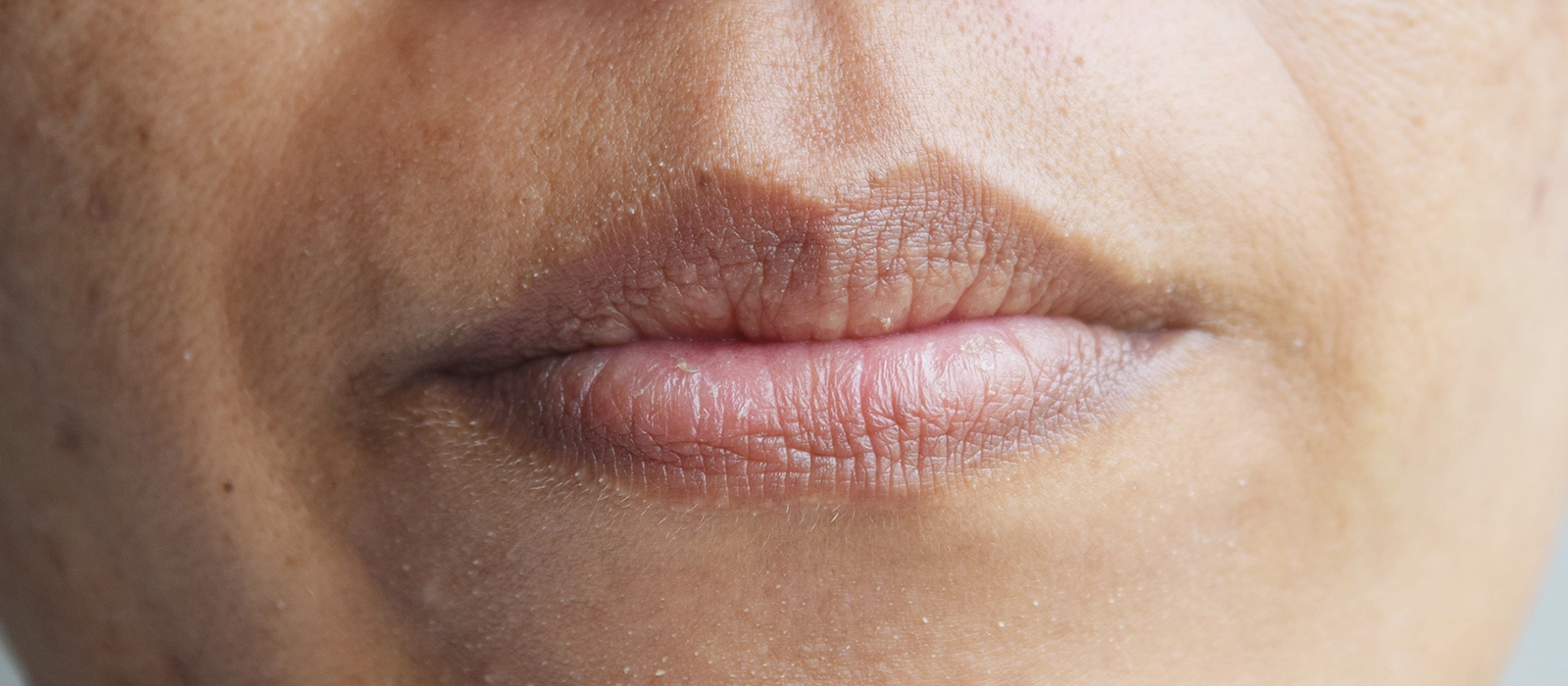
- Cracked lips or soreness at the corners of the mouth
- Difficulty chewing, swallowing, or speaking comfortably
- Changes in taste or ongoing bad breath
- Increased tooth sensitivity or a higher rate of tooth decay
Because these symptoms often emerge slowly, they are easily dismissed or attributed to other causes. By the time discomfort becomes obvious, oral damage may already be underway.
How to encourage saliva flow
Managing dry mouth typically requires a combination of daily habits and, where needed, professional support. Simple strategies that can help stimulate and preserve saliva flow include:
- Sipping water consistently throughout the day rather than in large amounts at once
- Reducing caffeine and alcohol intake, as both can contribute to dehydration
- Avoiding smoking and vaping, which irritate oral tissues and suppress saliva production
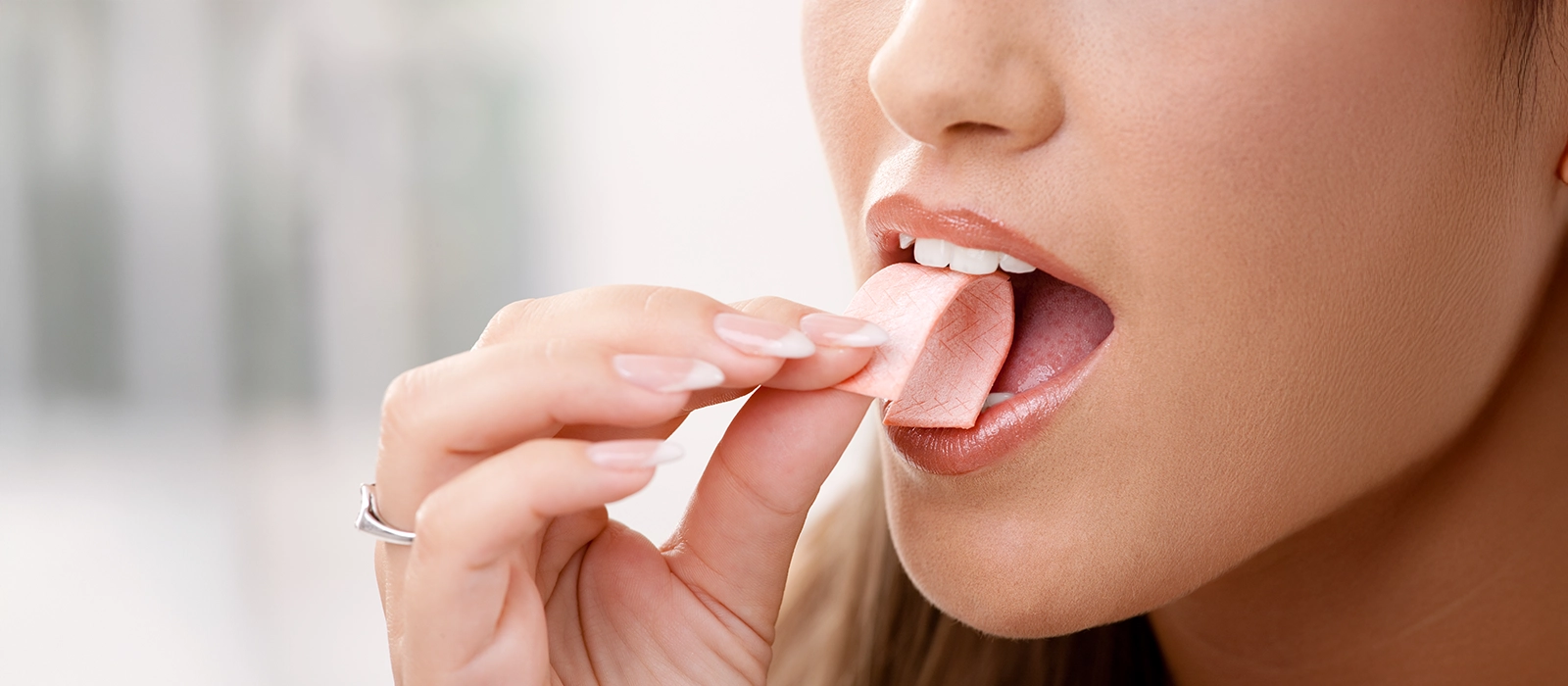
- Chewing sugar-free gum or using sugar-free lozenges to stimulate the salivary glands
- Maintaining humid air in sleeping areas to reduce overnight dryness
- Choosing alcohol-free toothpaste, mouth rinses, and oral care products formulated for dry mouth
When dry mouth is linked to medication use, a medical practitioner may assess dosage, timing, or suitable alternatives where clinically appropriate.
When to visit the dentist
Dry mouth is more than an inconvenience. It is a recognised risk factor for tooth decay, gum disease, and oral infections. Regular dental care and early intervention are key to protecting your oral health. A dentist can:
- Identify early signs of saliva-related damage before serious problems develop
- Recommend tailored products and preventive strategies for your level of dryness
- Monitor tooth decay and gum health more closely
- Coordinate care with medical practitioners if an underlying condition is suspected
How often to visit: People with persistent dry mouth should schedule dental check-ups at least every six months, or more frequently if recommended by their dentist.
When to seek help sooner: Contact your dentist promptly if you notice worsening dryness, difficulty eating or speaking, persistent bad breath, increased tooth sensitivity, or new oral sores. Early evaluation can prevent complications and protect your long-term oral health.

Where moisture returns, your smile thrives
A well-hydrated mouth is a stronger mouth. Saliva is your mouth’s natural defence, quietly maintaining balance and protecting teeth and gums. When its flow slows, even the most diligent oral hygiene may not be enough to prevent damage.
If dry mouth has become a regular part of your day, it is important to discuss it at your next dental visit. With early intervention, tailored strategies, and consistent oral care, you can preserve comfort, oral function, and long-term dental health.
Your mouth signals when saliva is missing—paying attention early can make all the difference for your smile. Dryness is treatable. Turn your dry mouth into a smile oasis with healthy hydration habits and professional care.