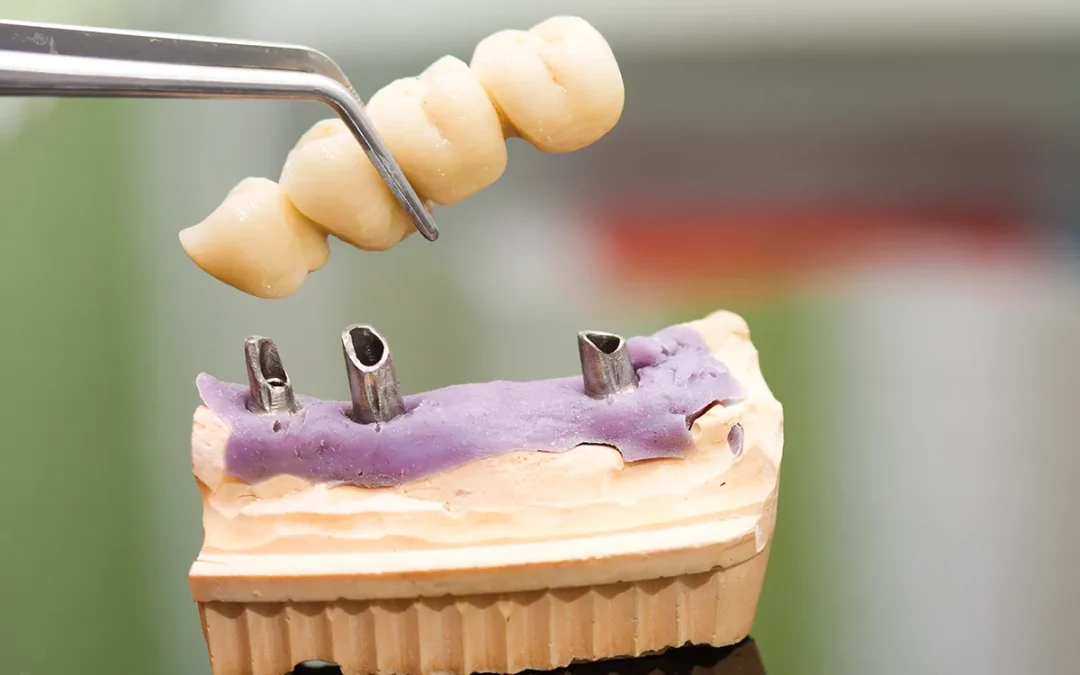
How a custom bridge could save your bite
Missing a tooth rarely remains an isolated concern. Your mouth functions as an integrated system, where each tooth supports the stability, alignment, and function of the others. When a gap is left untreated, the surrounding structures begin to adapt in ways that are often gradual, yet significant over time.
Left uncorrected, teeth shift, opposing teeth overextend, and the bite progressively loses its balance. This goes beyond appearance, affecting how you chew, how your jaw functions, and the long-term stability of your oral health.
A custom dental bridge is designed to address this progression at its source. Restoring the missing tooth with precision and stability, it helps maintain the natural alignment of the bite while supporting everyday function.
How inaction is risky
Each tooth relies on its neighbours for positional support. When one is lost, adjacent teeth begin to tilt into the empty space. This movement is often subtle at first, though it gradually alters spacing and alignment. Over time, uneven contact between teeth can lead to accelerated wear and increased vulnerability to fractures.
The tooth opposite the gap no longer meets resistance during chewing. In response, it may extend further into the space, a process known as supra-eruption. This disrupts the natural vertical dimension of the bite and complicates future restorative treatment.
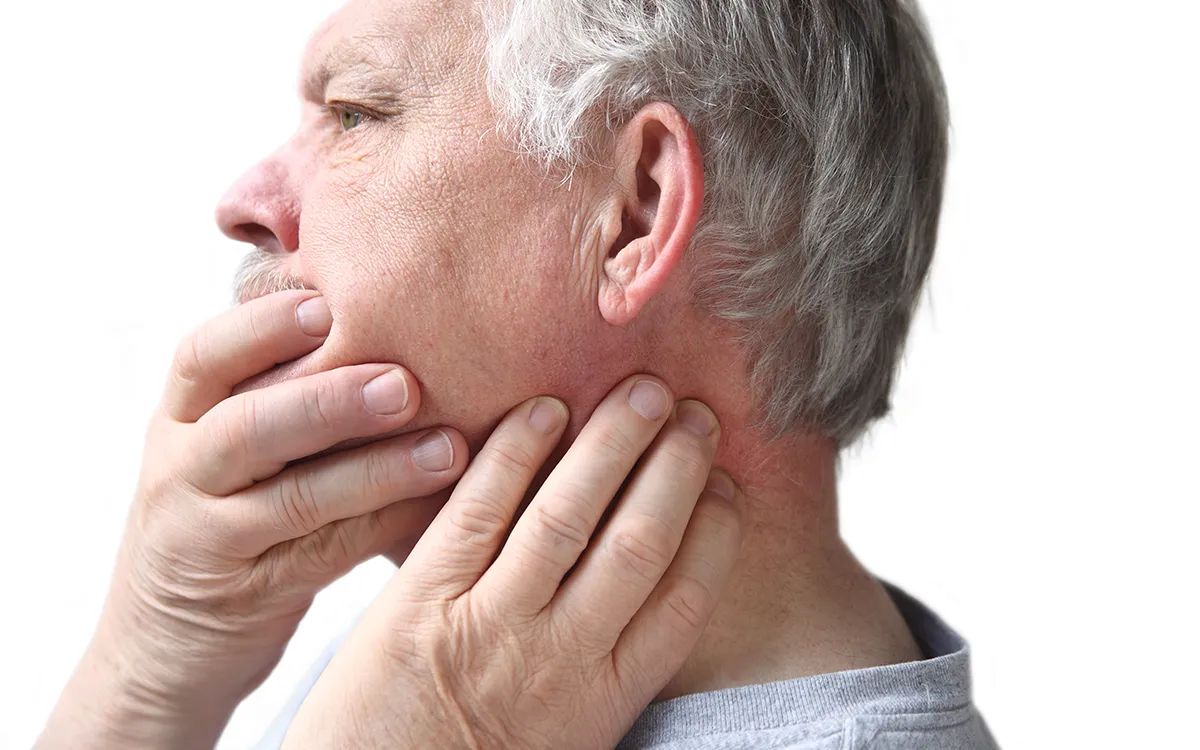
As teeth shift and erupt unevenly, the way the upper and lower arches meet begins to change. The bite may become uneven, placing excess pressure on certain teeth and muscles. This imbalance can contribute to jaw fatigue, discomfort, and, in some cases, symptoms associated with temporomandibular joint dysfunction.
Building a modern dental bridge
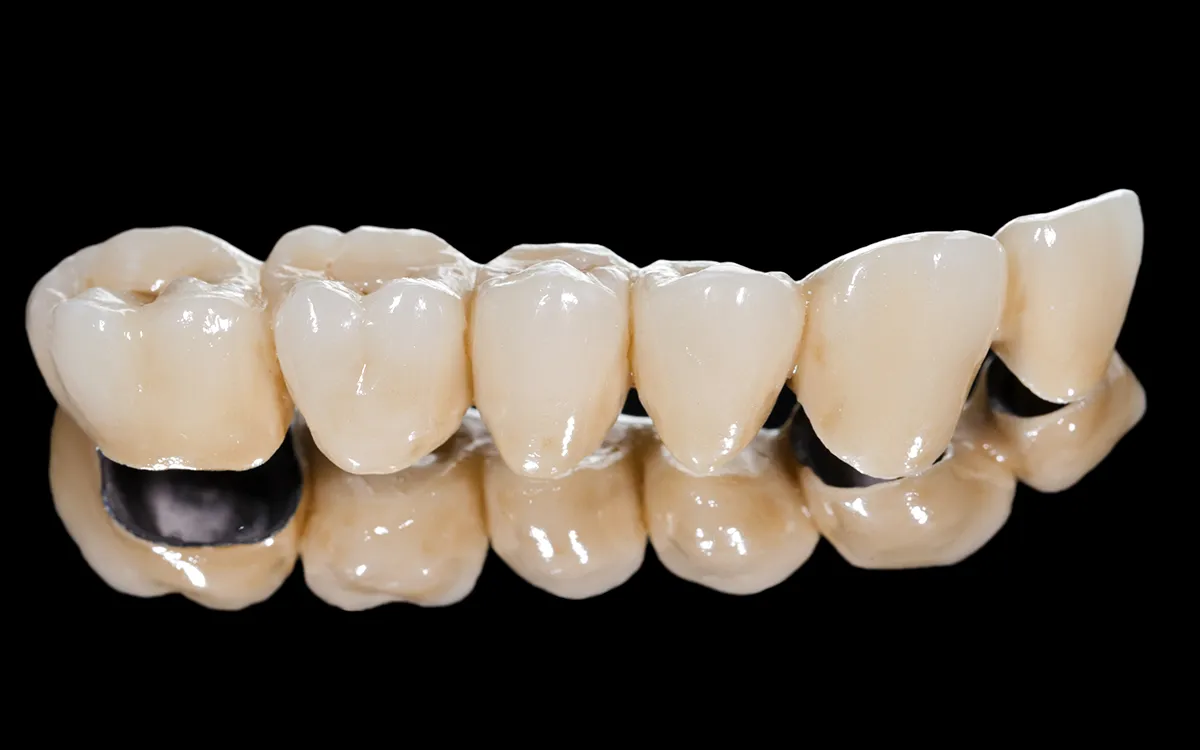
A dental bridge is not a single piece, but a carefully engineered system. Each element is designed to work in unison to restore alignment, function, and long-term stability.
A dental bridge is supported by neighbouring teeth, known as abutments. These teeth are carefully prepared to receive crowns that will anchor the bridge securely. The design ensures that the load of chewing is distributed in a controlled and stable manner.
The artificial tooth, referred to as the pontic, is crafted to replicate the size, shape, and contour of a natural tooth. Attention is given not only to aesthetics but also to how the pontic interacts with opposing teeth during function.
Precision materials for longevity
Modern bridges are commonly fabricated using high-strength zirconia or advanced porcelain systems. These materials offer durability while maintaining a natural translucency that blends seamlessly with surrounding teeth. The result is a restoration that performs reliably under daily forces while preserving a refined appearance.
Benefits beyond better looks
Teeth play a subtle yet important role in articulation. Replacing a missing tooth helps restore natural speech patterns, particularly for sounds that rely on precise tooth positioning.
A complete dental arch supports efficient chewing. Restoring the gap allows for a more balanced diet, reducing the tendency to avoid certain foods due to discomfort or difficulty.
A bridge helps re-establish proper contact between teeth, allowing biting forces to be shared evenly. This reduces the risk of overloading individual teeth, which can otherwise lead to cracks, wear, or sensitivity.
Bridges versus Implants
Bridges and implants both restore missing teeth, but the right option depends on what your case requires.
A dental bridge typically offers a faster path to restoring function, often completed over a few appointments without surgical intervention. Implant treatment, by contrast, involves surgical placement followed by a healing phase to allow integration with the bone. This extended timeline can provide long-term stability, though it requires greater time commitment.
A bridge is a non-surgical solution, making it suitable for patients who prefer to avoid surgery or are not ideal candidates due to bone volume or medical considerations. Implants require surgical placement into the jawbone, offering a more independent restoration, though not all patients are suitable without additional procedures.
A bridge relies on adjacent teeth for support, which are prepared to anchor the restoration. In cases where these teeth already require crowns, this can be an efficient and integrated solution. Implants, on the other hand, are supported directly by the bone and do not depend on neighbouring teeth, preserving their natural structure.

Oral care with a restoration
Maintaining a dental bridge requires attention to the area beneath the pontic. Specialised flossing tools or interdental brushes are recommended to keep the gums healthy and free from plaque accumulation.
Regular dental visits are essential to monitor the integrity of the bridge and the health of the supporting teeth. Professional cleaning and examination help ensure that the margins remain well-sealed and the surrounding tissues remain stable.
Act early to enjoy oral health for life
Acting early protects more than your smile. Replacing a missing tooth before changes take hold helps maintain alignment, preserve chewing efficiency, and reduce unnecessary strain on the jaw. What is addressed early remains simpler, more stable, and more predictable over time.
Delaying treatment allows small shifts to become structural problems. Teeth move, the bite adapts, and restoration becomes more complex. Early intervention avoids this progression and supports a healthier, more balanced oral system from the outset.
Long-term outcomes rely on consistency. Daily care, combined with regular professional review, ensures that restorations remain stable and surrounding structures stay healthy.
A timely, well-executed restoration supports lasting function, structural integrity, and overall wellbeing.