What a day it’s been. Dinner is done, your little one is bathed and cosy in their pyjamas, and bedtime stories are finally within reach. But first comes the nightly hurdle: toothbrushing.
One moment, your toddler is calm. Next, they are clamping their mouth shut, twisting away from the sink, or collapsing dramatically onto the bathroom floor. Negotiating begins. Bribery follows. Eventually, the entire experience feels more like an unhappy wrestling match than a healthy bedtime routine.
For many parents, this scene is a nightly reality.
Resistance to toothbrushing comes with the territory in the toddler years. As young children assert their growing independence and test boundaries, even simple daily routines can quickly turn into a power struggle, especially when an activity feels unfamiliar, out of sync with their mood, or interrupts what they would rather be doing.
The real goal isn’t perfect compliance every single night. It’s building positive habits over time, reducing stress for everyone, and helping your child feel safe, involved, and even empowered in the process. With a few thoughtful shifts in approach, you can transform toothbrushing from a nightly battle into a much calmer, smoother experience.
Here are practical, parent-tested strategies that can help make toddler toothbrushing calmer, easier, and far more successful.
Why toddlers resist toothbrushing
Knowing some reasons behind your child’s resistance can make it easier to respond with patience when frustrations arise.
Toddlers are wired to seek control. They want to choose their clothes, feed themselves, and decide what happens next. Having an adult place a toothbrush inside their mouth can feel intrusive, especially when they are already tired at the end of the day.
Resistance is not always defiance. Often, it is simply a child trying to assert autonomy in one of the few ways they can.
The sensation of brushing can feel intense for young children. Some toddlers dislike the texture of bristles, while others react strongly to toothpaste flavours or foaming.
Mint toothpaste, in particular, can feel overpowering for little mouths. Even the sound of an electric toothbrush may be uncomfortable for some children.
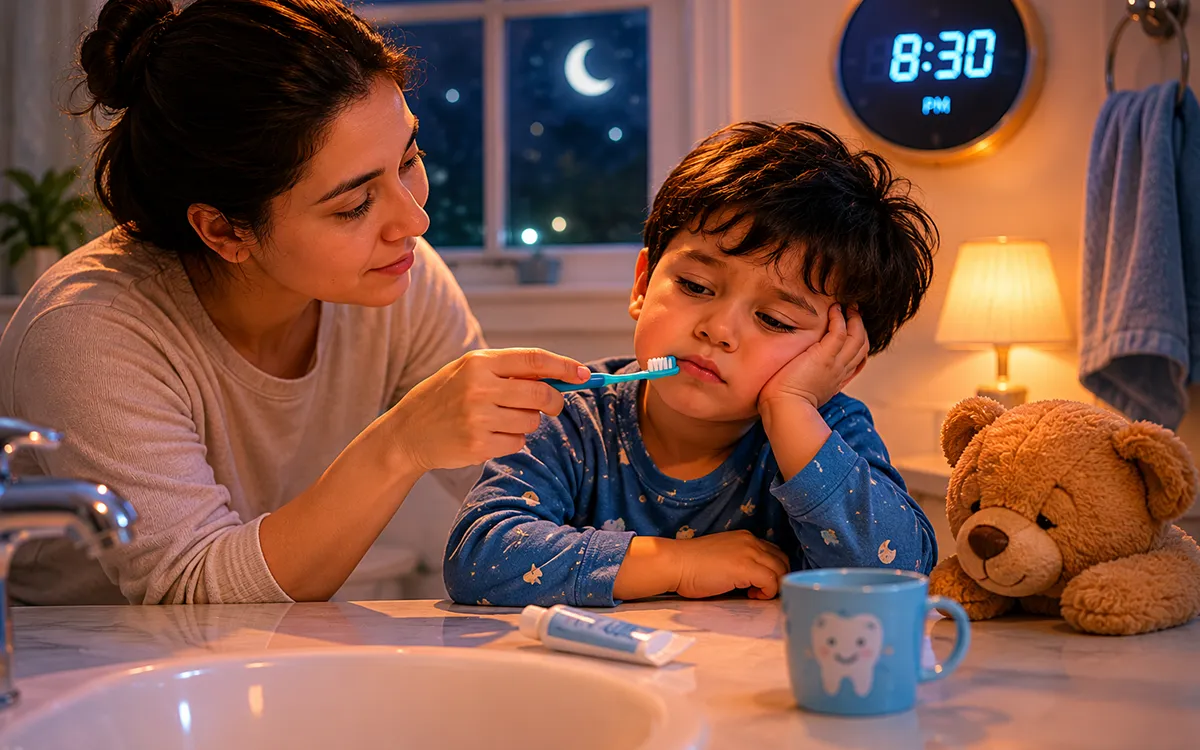
Most toothbrushing battles happen at night for a reason. Toddlers are exhausted by bedtime, and tired children are far less cooperative. Minor frustrations become major emotional events when energy levels are low.
A resistant child at 8:30 PM is often not trying to be difficult. They are simply overwhelmed.
5 clever ways to make toothbrushing easier
One toothbrush for them. One toothbrush for you.
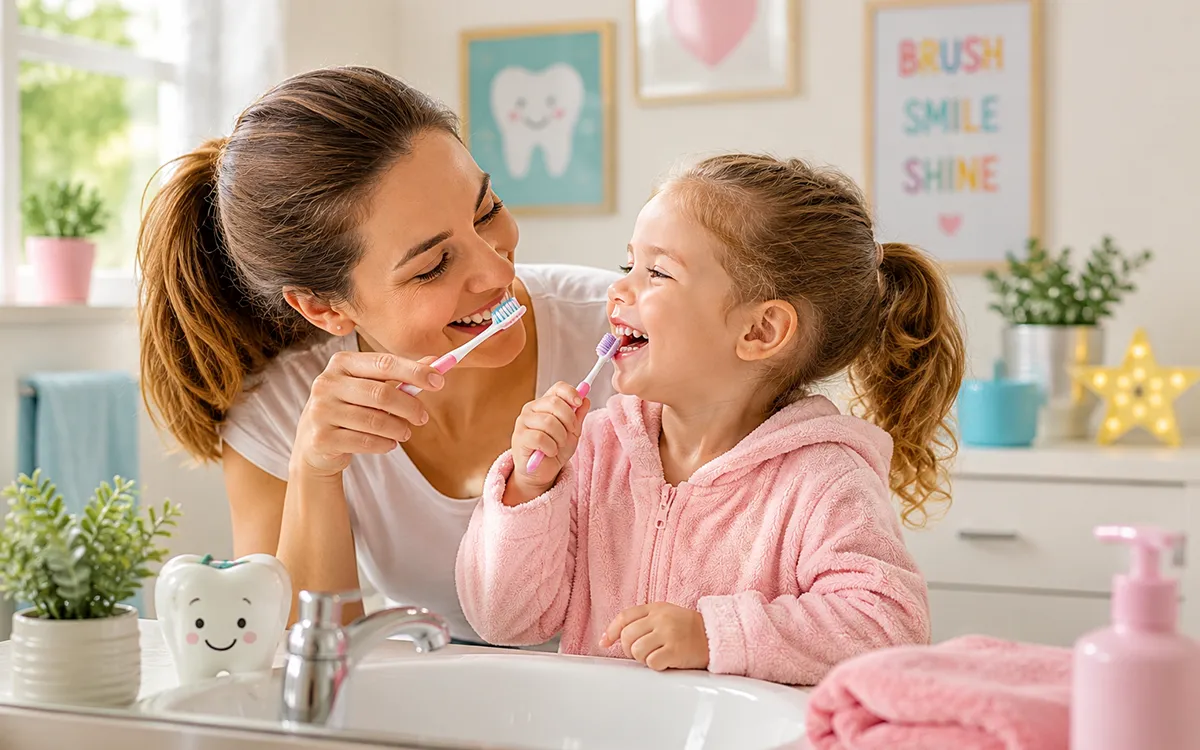
Giving toddlers their own brush creates a sense of participation and control. They can hold it, explore it, or even “brush” your teeth while you gently clean theirs with the second brush.
Many children become far more cooperative when they feel included rather than managed.
This technique also reduces the feeling of force, which helps prevent negative associations with brushing.
Toddlers respond far better to imagination than instruction.
Instead of saying, “Open your mouth,” try turning the experience into a playful mission.
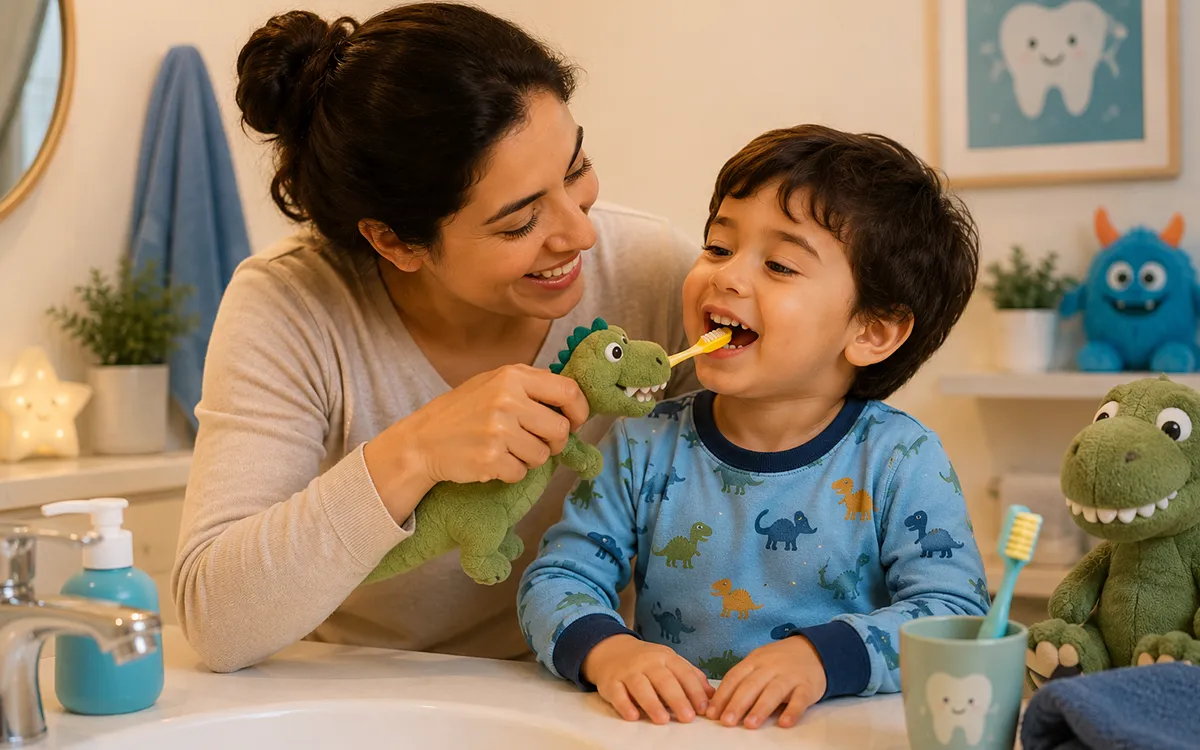
Perhaps there is a tiny “sugar bug” hiding behind their molars. Maybe a “cookie monster” left crumbs on the back teeth that need rescuing. Some parents pretend the toothbrush is a tickly dinosaur searching for hidden treasure.
The goal is not to trick children. It is to shift their attention away from resistance and toward curiosity and play.
When brushing feels entertaining, cooperation becomes much easier.
Sometimes a fresh voice works better than a parent repeating the same reminder every night.
Children’s brushing apps, musical timers, and short brushing videos can provide structure and distraction at the same time. Many apps use songs, characters, rewards, and animations to encourage children to brush for the full two minutes.
Popular options include:
Simple brushing songs on video platforms can also help toddlers understand timing and routine without pressure.
The novelty often makes a significant difference.
Children are far more invested in the routines they help create.
Allowing toddlers to choose their own toothbrush can instantly increase enthusiasm. A favourite colour, cartoon character, or flashing light can transform the brush from an enemy into something exciting.
The same applies to toothpaste flavour. Many children strongly dislike mint but respond well to gentler options such as strawberry or bubblegum.
A small sense of ownership can create a surprisingly large shift in cooperation.
Toddlers learn through imitation.
Letting them brush your teeth first can reduce fear and build trust. When they see a parent smiling, laughing, and participating willingly, brushing begins to feel normal rather than threatening.
This role reversal also helps children understand what brushing feels like, which often reduces anxiety when it is their turn.
Children are far more likely to accept routines that feel shared rather than imposed.
Helpful tricks for difficult nights
Even with the best strategies, some evenings will still feel challenging. That is completely normal.
Try asking them to roar like a lion, hiss like a snake, or say “ahhh” like they are at the doctor.
Silly sounds naturally encourage children to open wide without turning it into a confrontation.
Remain calm and avoid pulling forcefully. Gentle humour often works better than frustration.
You can say something playful like, “Oh no, the toothbrush is stuck in crocodile jaws.”
Children often release tension when the mood stays light.
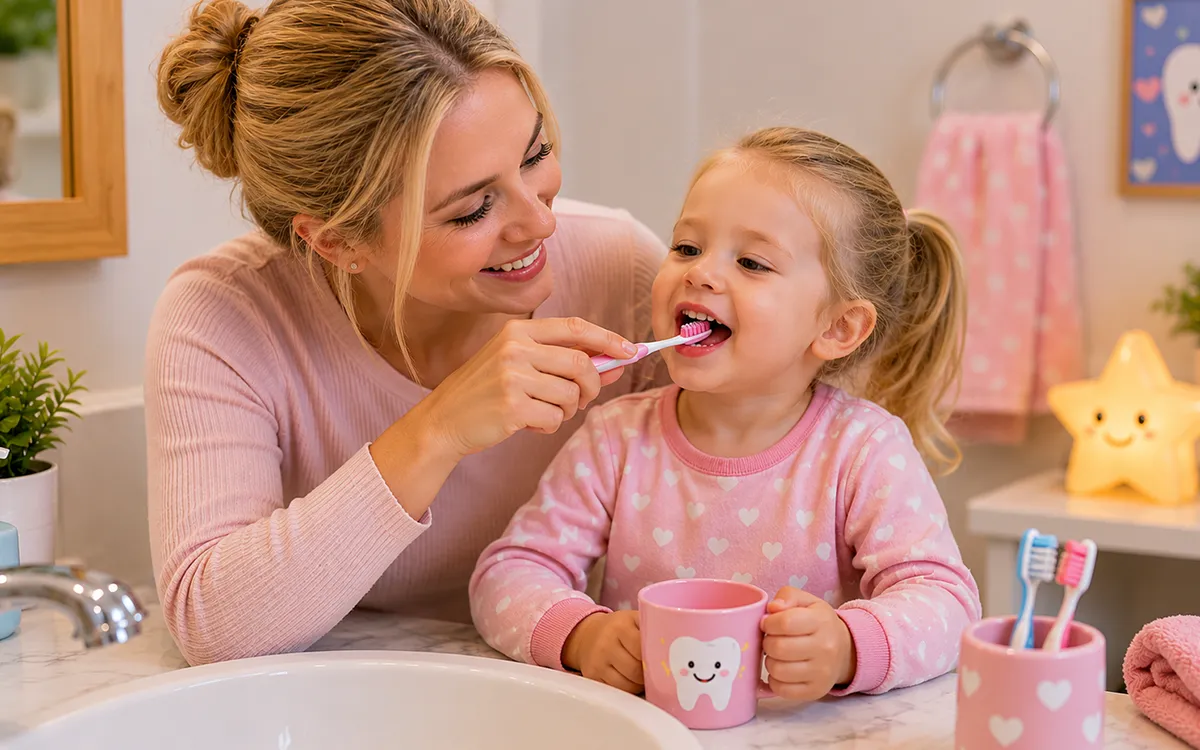
Use only a tiny rice-sized smear of fluoride toothpaste for younger toddlers. This amount is considered safe if swallowed occasionally.
As children grow older and learn to spit properly, the amount can gradually increase to a pea-sized portion.
If you are unsure about the right toothpaste for your child’s age, your dentist can guide you.
Why early oral hygiene matters
Baby teeth may be temporary, but they play an important role in your child’s development.
Healthy primary teeth help children chew properly, speak clearly, and guide adult teeth into position. Tooth decay in early childhood can lead to discomfort, infections, difficulty eating, and anxiety around dental care later in life.
Creating positive brushing habits early can shape how children feel about oral health for years to come.
The experience matters just as much as the routine itself.
Consistency over perfection
Some nights will go smoothly. Others will not.
There will be evenings where brushing lasts a full two minutes and mornings where you barely manage a few quick passes before your toddler runs away laughing. That does not mean you are failing.
Children learn through repetition, consistency, and emotional safety. A calm, encouraging approach repeated over time is far more effective than pressure or force.
Progress often happens gradually and quietly.
One day, the same child who once fought every toothbrush will climb onto the bathroom stool and begin brushing independently.
Healthier smiles start young
Toothbrushing is only one part of protecting your child’s smile. Regular dental visits help monitor development, identify concerns early, and build familiarity with the dental environment in a positive and supportive way.
Early preventive care can make future dental experiences far less stressful for both children and parents. It also gives families the opportunity to receive personalised guidance on brushing techniques, diet, fluoride use, and healthy oral habits at every stage of growth.
Small daily routines and regular dental checkups create lifelong foundations.
A few patient minutes at the bathroom sink each night may not feel significant at the time, yet this daily dedication plays an important role in helping children grow up with healthy teeth, confident smiles, and positive attitudes toward dental care.