Smile brighter these summer holidays
Summer brings plenty of reasons to smile, from family gatherings and Christmas celebrations to weddings and New Year festivities. It also tends to bring plenty of photographs.
If you are considering teeth whitening before a special event, planning ahead can help you achieve a brighter smile while reducing the risk of unwanted sensitivity. With countless whitening kits and DIY trends available online, it is also important to know which approaches are safe for your teeth and which may cause more harm than good.
Professional teeth whitening can effectively lighten the colour of natural teeth, but the right approach depends on your oral health, the type of staining and whether you have existing dental restorations. Here is how to plan your whitening safely before the holiday season.
Start whitening before you need it
Leaving whitening until the last minute can limit how much can realistically be achieved before your event. Some stains may need repeated whitening sessions or a gradual take-home course, while deeper discolouration may respond poorly to bleaching and require a different cosmetic approach altogether.
Timing also depends on how you whiten. In-chair treatment can produce a noticeable change in a relatively short appointment, while dentist-supplied take-home whitening usually works more gradually over days or weeks. Starting early gives your dentist time to assess the type of staining, recommend the most suitable approach and see how your teeth respond.
It also gives any temporary sensitivity time to settle. Sensitivity is one of the most common side effects of whitening, and its intensity can vary with the strength of the whitening product, treatment time and the condition of your teeth.
An assessment is particularly important if you have tooth decay, gum problems, cracks, existing sensitivity or dental restorations. Whitening is designed for natural teeth, so your dentist needs to consider how the final shade will work with any fillings, crowns, veneers or bonding.
A little extra time can make a big difference, giving you more scope to achieve an even, natural-looking result.
Choose a whitening method suited to your teeth
Professional in-chair whitening uses a dentist-selected bleaching product under controlled conditions. The treatment can create a noticeable colour change in a relatively short period, making it an option for people with an upcoming event.
The result varies between individuals, and the use of a light or laser does not automatically make whitening more effective. Research has not consistently shown that light activation improves the final whitening result compared with appropriate bleaching alone.
The advantage of in-chair treatment is the professional supervision, controlled application and ability to assess your teeth before treatment.
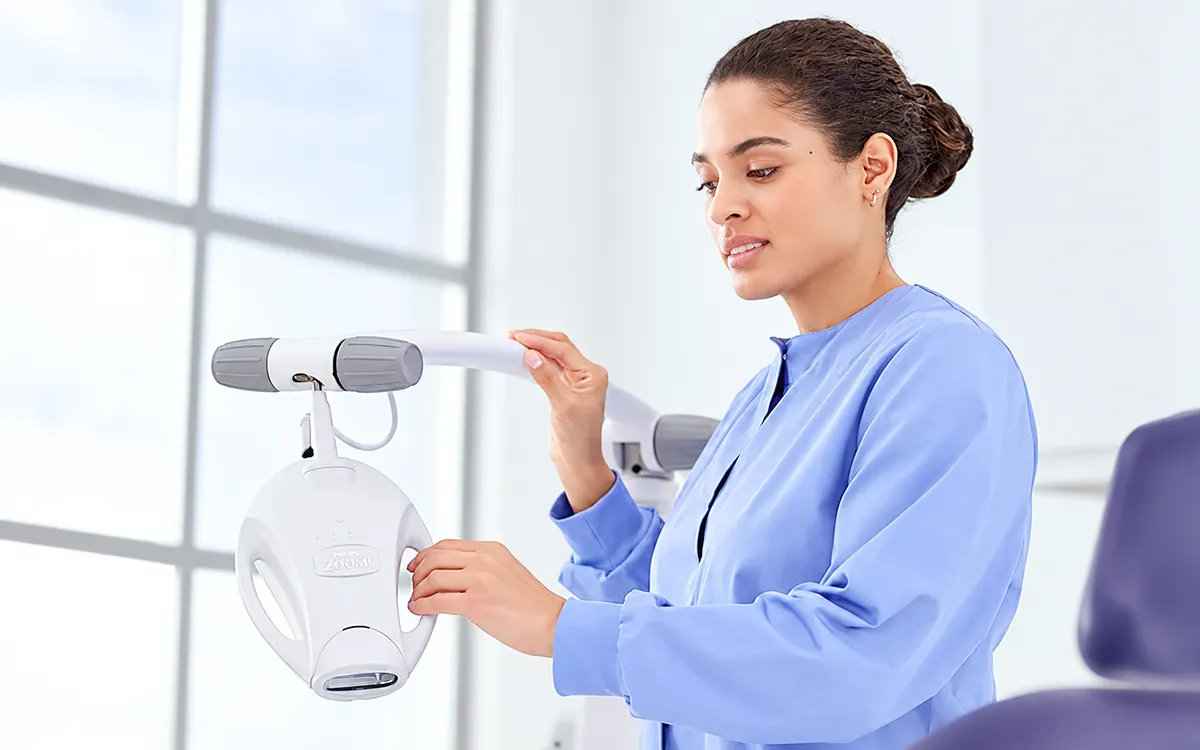
Take-home whitening uses professional whitening gel with custom-fitted trays. The treatment is completed at home according to your dentist’s instructions, generally over a longer period than in-office whitening.
This can be useful when you have several weeks before your event and prefer a more gradual approach. Custom trays are designed to fit your teeth and help position the whitening gel appropriately while reducing unnecessary contact with the gums.
Using a stronger product or wearing trays for longer does not necessarily produce a better result. Higher-concentration bleaching products can increase the likelihood and intensity of sensitivity, so always follow the recommended treatment schedule.
Give tooth sensitivity time to settle
Temporary sensitivity is one of the most common side effects of teeth whitening. You may notice a brief sharp sensation when eating or drinking something cold, hot or sweet.
Sensitivity varies between people and can be influenced by the concentration of the whitening product, treatment time and the condition of your teeth.
If you already have sensitive teeth, tell your dentist before whitening. They can assess potential causes of sensitivity and recommend an appropriate approach.
For an important event, avoid experimenting with a new whitening product immediately beforehand. Allowing some time between treatment and your photographs gives you a better opportunity to manage any temporary discomfort and address concerns if they arise.
Avoid DIY whitening hacks
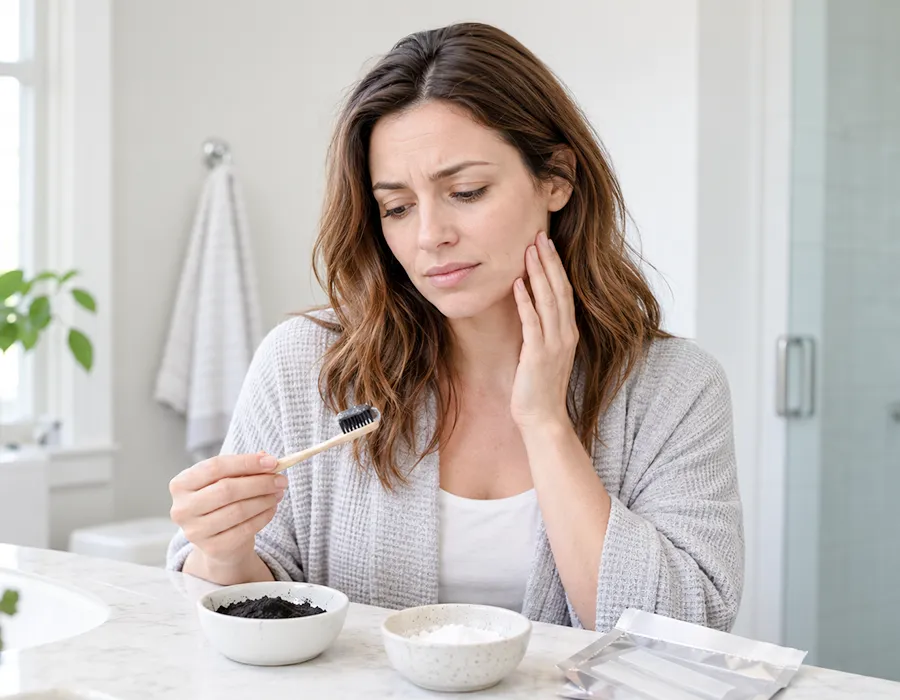
DIY whitening can be tempting when you want a fast result, but more aggressive does not mean more effective.
Charcoal powders, abrasive pastes and repeated use of whitening products can wear or irritate the teeth and gums without necessarily producing a better result. Whitening toothpastes can help remove some surface staining, but physically scrubbing harder or using highly abrasive products is not the same as bleaching the tooth itself.
Overusing peroxide-based strips, gels or trays can also increase tooth sensitivity and gum irritation. Professional whitening is carefully selected and timed to lighten the tooth while limiting unnecessary exposure.
If you want a brighter result before an event, follow the recommended treatment schedule rather than trying to speed things up at home.
Dental restorations and deep stains complicate whitening
Whitening affects natural tooth structure. It does not bleach porcelain veneers, crowns or composite bonding in the same way.
This is particularly important if you have visible dental work on your front teeth. If your natural teeth become lighter while an existing restoration stays the same colour, the difference may become more noticeable.
Your dentist can assess your existing restorations before whitening and help plan the treatment sequence if you are considering cosmetic dental work.
The same applies to deeper forms of tooth discolouration. Some stains occur within the tooth and may not respond fully to conventional whitening. Depending on the cause and condition of the tooth, alternatives such as internal bleaching, composite bonding or veneers may sometimes be considered.
Do you need to follow a “white diet”?
You do not necessarily need to follow a strict white diet after whitening.
Evidence suggests that avoiding all coloured foods and drinks does not significantly improve whitening outcomes. However, coffee, tea, red wine, cola and strongly pigmented foods can contribute to surface staining over time.
Simple habits can help maintain your result. Drink water after staining drinks or foods, maintain good brushing and interdental cleaning habits, and follow any specific post-whitening advice provided by your dentist.
There is no need to miss every festive meal to protect your smile. Good oral hygiene and sensible habits matter more over the long term.
Keep your smile bright all summer
A brighter smile can be a great confidence boost heading into summer, especially with more photos, events and social occasions on the calendar.
Once you have achieved the shade you are happy with, a few simple habits can help maintain it. Brush twice a day with fluoride toothpaste, clean between your teeth regularly and keep up with routine dental examinations and professional cleans to remove surface deposits and support good oral health.
You do not need to avoid everything that can stain your teeth. Enjoy your coffee, meals and summer celebrations, then rinse with water when you can and keep your usual oral hygiene routine consistent.
If you are planning to whiten before a summer event, starting with a dental assessment gives you time to choose the most suitable option, plan treatment properly and enjoy the result without a last-minute rush.
With the right care, your brighter smile can stay looking fresh well beyond summer.