Is it okay for my wisdom teeth to stay?
For the longest time, saying goodbye to your wisdom teeth was treated as an inevitable part of growing up. Once those third molars started appearing, or even showed up on a routine X-ray, extraction seemed like the obvious next step to many people.
Today, wisdom teeth are considered on a case-by-case basis. If yours are healthy, properly positioned, functional and easy to keep clean, there may be no reason to remove them simply because they are wisdom teeth.
It can seem counterintuitive, but a lack of pain does not always mean a wisdom tooth is problem-free. Some issues can develop quietly, and even a tooth that is healthy today may become difficult to maintain later. That’s why it’s still worth having your wisdom teeth checked, even when they’re not causing any obvious trouble.
So, when should you get your wisdom teeth checked, and how do you know whether to keep or remove them?
Wisdom teeth don’t always need to come out
Wisdom teeth are the third and final set of molars at the back of the mouth. Some people develop all four, while others have fewer or none at all.
In the past, wisdom teeth were often removed as a precaution, even when they were not causing problems. Today, dentists generally consider the condition and position of each tooth before recommending treatment.
A healthy natural tooth is worth preserving when it is functioning properly and can be maintained.
That means a wisdom tooth may be suitable to stay if it is healthy, sits comfortably within your bite, does not damage neighbouring teeth and can be cleaned effectively.
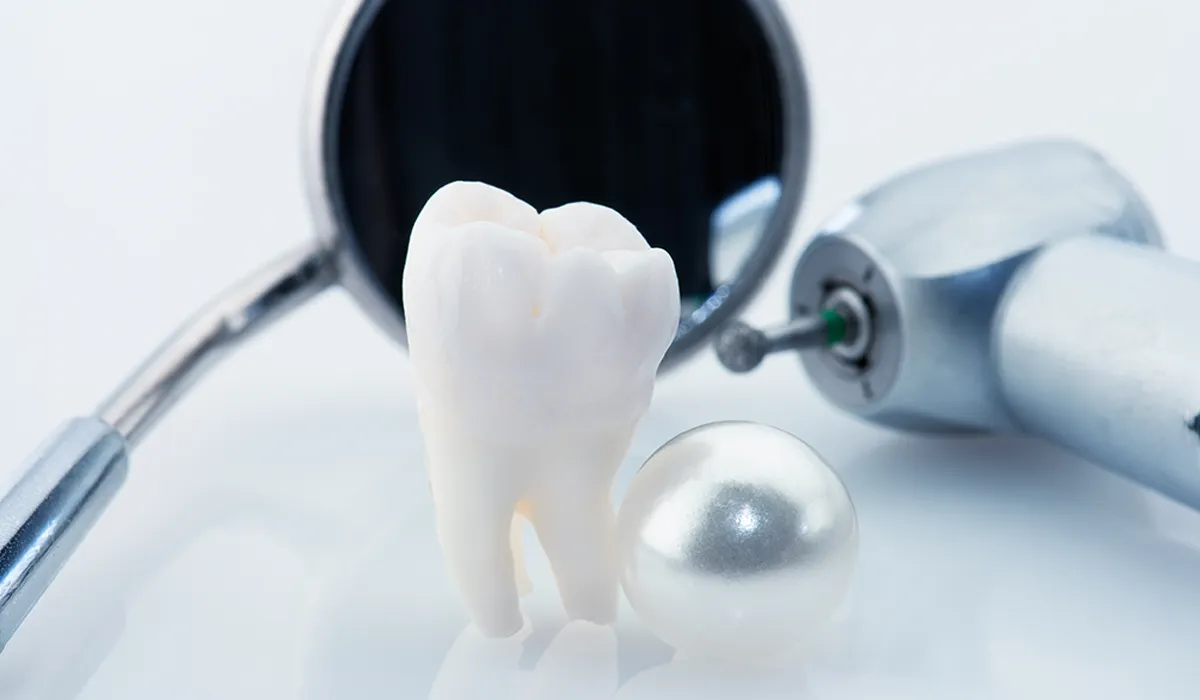
When is it safe to keep wisdom teeth?
There is no single rule that applies to everyone. Your dentist will assess your wisdom teeth clinically and may use dental X-rays to check their position and the surrounding structures.
Generally, keeping a wisdom tooth may be appropriate when these factors are present.
A wisdom tooth that has fully emerged and sits in a healthy position is usually easier to clean and maintain.
Ideally, it should meet the opposing tooth comfortably and not press against or interfere with the molar in front of it. A well-positioned wisdom tooth can function like any other molar, helping with chewing rather than creating an area where food and plaque become trapped.
The gum around a healthy wisdom tooth should not remain swollen, tender or frequently bleed.
Partially erupted wisdom teeth can be more difficult to manage because gum tissue may partly cover the tooth, creating a space where food and bacteria collect. This can lead to inflammation and infection around the tooth, known as pericoronitis.
If the gums around your wisdom teeth remain healthy and there are no recurring episodes of inflammation, that is a positive sign.
A wisdom tooth is only a good long-term candidate for retention if you can maintain it properly.
The back of the mouth is naturally difficult to reach. A wisdom tooth that is tilted, crowded or positioned too far back may be difficult to brush and clean between, increasing the risk of decay and gum disease.
If you can comfortably reach the tooth with your toothbrush and clean around it every day, keeping it may be much more manageable.
Your dentist or oral health professional can also recommend cleaning aids, such as a small-headed or single-tufted toothbrush, interdental brushes or floss, depending on your needs.

A wisdom tooth should be free from significant decay, gum disease and other signs of disease.
Your dentist will also check the second molar in front of it. A poorly positioned wisdom tooth can sometimes trap plaque against the neighbouring tooth, increasing the risk of decay or gum and bone damage.
Dental X-rays can help identify problems below the gumline and show how the wisdom tooth relates to the surrounding teeth and bone.
Zero pain doesn’t always mean zero problems
One of the easiest mistakes to make with wisdom teeth is assuming that everything is fine because nothing hurts.
Some dental problems can develop without obvious symptoms. Decay, gum disease and damage to a neighbouring tooth may progress before pain appears.
Wisdom teeth can also develop problems depending on how they are positioned. An impacted or partially erupted tooth may create areas that are difficult to clean, while a poorly positioned tooth can place pressure or plaque accumulation against the molar in front.
For this reason, wisdom teeth should be assessed based on more than symptoms alone.
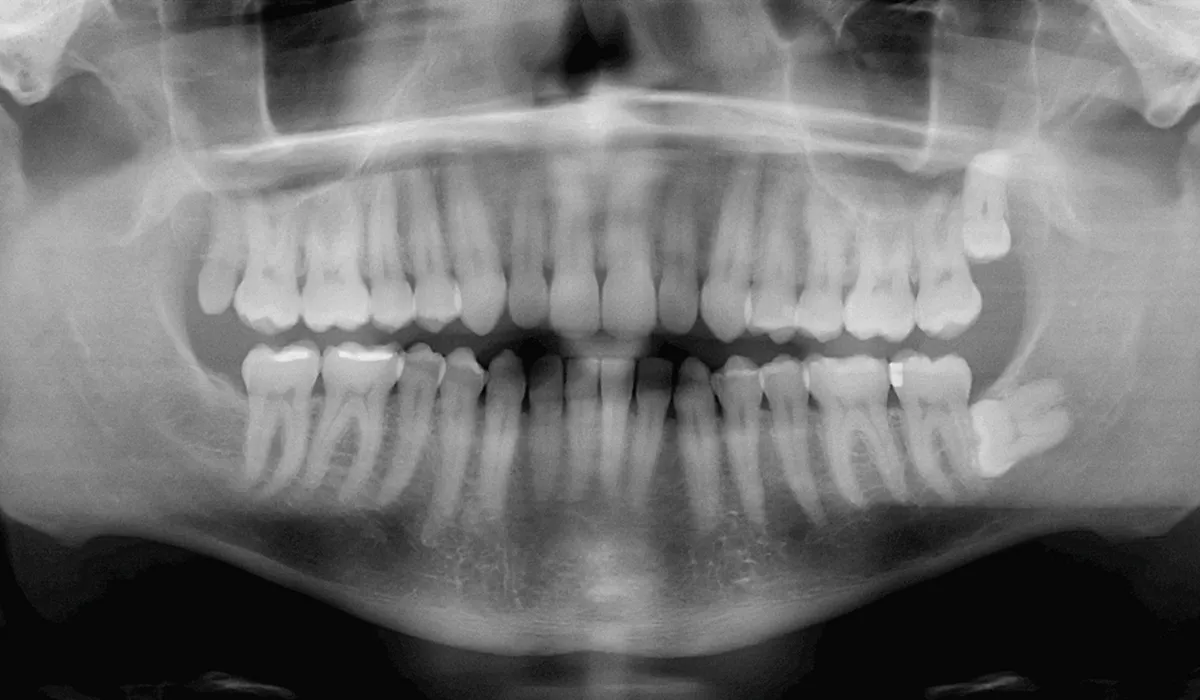
Partially erupted teeth need extra attention
A partially erupted wisdom tooth can be particularly challenging to maintain. Food and bacteria may become trapped around the tooth or underneath the surrounding gum tissue.
This can increase the risk of:
- Recurrent gum inflammation or infection
- Tooth decay
- Gum disease
- Bad breath or an unpleasant taste
- Damage to the neighbouring molar
A partially erupted wisdom tooth does not automatically need to be removed. Its position, condition, symptoms and effect on the surrounding teeth all need to be considered.
When should a wisdom tooth be removed?
Keeping wisdom teeth can be perfectly reasonable when they are healthy and manageable. The flipside is that removal may be recommended when there is a clear dental problem or a significant risk to the tooth or surrounding structures.
Common reasons for removal include:
- Repeated episodes of infection or pericoronitis
- Significant decay that cannot be adequately treated
- Gum or bone damage around the tooth
- Damage or decay affecting the neighbouring molar
- Cysts or other abnormal changes
- Persistent pain or swelling
- An unfavourable position that makes the tooth difficult to maintain
The decision should therefore be based on the health and position of the wisdom tooth, rather than simply the fact that it is present.
Your dentist can discuss the potential benefits and risks of removal and explain whether monitoring the tooth is a reasonable alternative.

If you keep your wisdom teeth, pay attention
Keeping your wisdom teeth does not mean forgetting about them. Good home care and regular dental assessments are important for keeping them healthy.
Use a soft-bristled toothbrush and take time to clean the chewing, outer and inner surfaces of your back molars.
A smaller-headed toothbrush or single-tufted brush may make it easier to reach areas around the wisdom teeth.
Pay particular attention to the space between the wisdom tooth and the molar in front. Plaque and food can accumulate in this area without being obvious.
Your dentist or hygienist can recommend the most suitable method for cleaning between your teeth based on the spaces and position of your wisdom teeth.
Seek dental advice if you notice swelling, tenderness, bleeding, persistent bad breath, an unpleasant taste, difficulty opening your mouth or pain around the back of your jaw.
These symptoms do not automatically mean the tooth needs to be removed, but they should be assessed rather than ignored.
Regular dental examinations allow your dentist to monitor wisdom teeth over time.
Your dentist may recommend an X-ray when it is clinically appropriate to assess the position of a wisdom tooth or investigate a concern that cannot be seen during an examination. Not every wisdom tooth requires frequent imaging, so the timing will depend on your individual circumstances.
Monitoring is particularly important when a tooth is being retained because its condition can change over time.
Protect your natural teeth
Wisdom teeth do not necessarily need to come out in every case.
If they are healthy, functional, properly positioned and easy to maintain, keeping them may be a perfectly reasonable option. If they are causing disease, damaging nearby teeth or creating problems that cannot be managed effectively, removal may be the safer choice.
The right decision is individual to you and can change over time. A dental examination can assess the health of your wisdom teeth and surrounding gums, while appropriate imaging can reveal problems that are not yet visible or painful.
In the meantime, diligent brushing, cleaning between your teeth and regular dental check-ups remain your best defence. The goal is not to remove teeth unnecessarily. It is to keep healthy teeth healthy for as long as possible.