Heads up! Protecting kids’ teeth during summer sports
A flying ball, an unexpected tumble or an enthusiastic teammate charging in from the side. Summer sports are full of action, excitement and the occasional knock to the face. From basketball and soccer to gymnastics and cycling, children face plenty of opportunities for bumps and falls. While scraped knees and bruises may be part of the adventure, an impact to the mouth can damage teeth, gums and lips, sometimes requiring urgent dental care.
As you get the uniforms, sports shoes and water bottles ready, don’t forget about protecting those growing smiles. With the right equipment, healthy habits and a little preparation for emergencies, you can help your child enjoy the action while reducing the risk of dental injuries.
1. Choose the right mouthguard
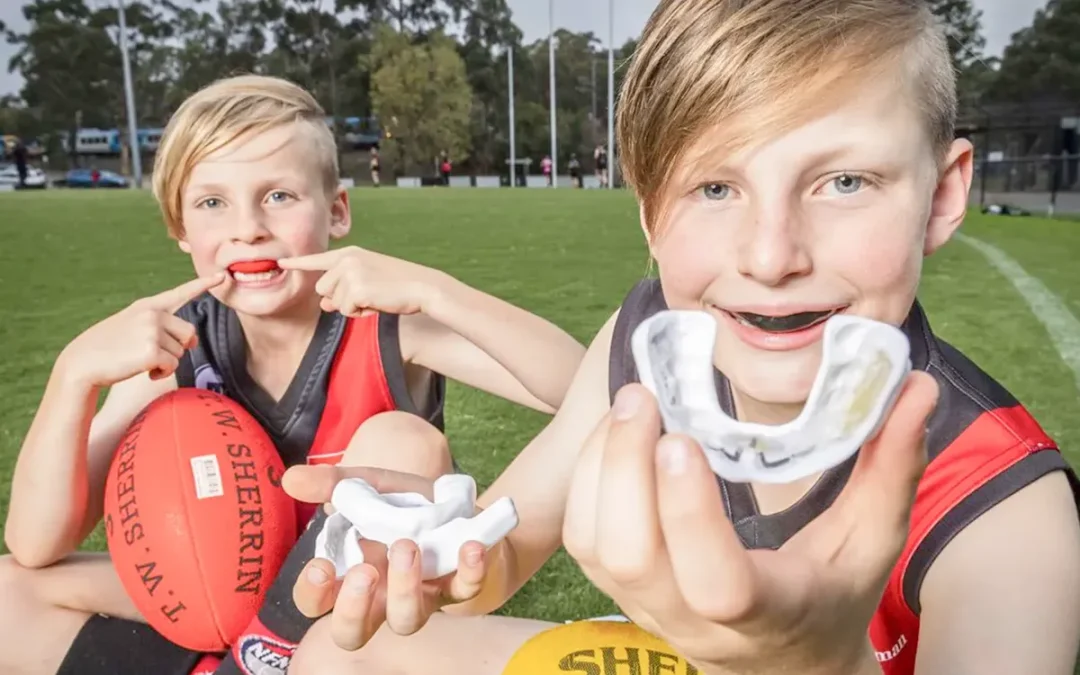
Helmets protect heads. Shin guards protect legs. What about teeth? A well-fitting mouthguard helps absorb the impact of unexpected knocks and falls, reducing the risk of injuries to teeth, lips and gums. It is particularly important for activities involving physical contact or a risk of falls.
There are three common types:
- Stock mouthguards: Ready-made and generally affordable, although they may fit less securely.
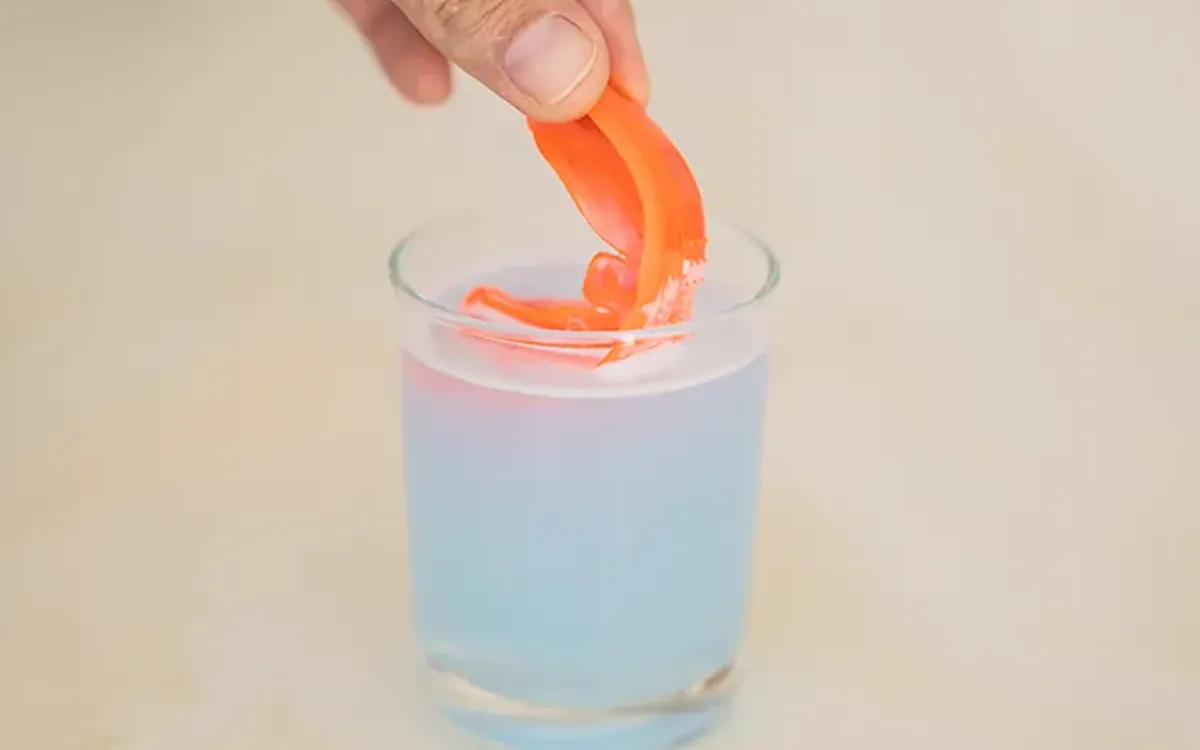
- Boil-and-bite mouthguards: Softened in hot water and moulded at home, offering a more personalised fit when fitted correctly.
- Custom-fitted mouthguards: Made by a dental professional to fit the child’s teeth and mouth, potentially offering improved comfort, retention and ease of breathing and speaking.
The most suitable option depends on your child’s age, dental development and sport. A dentist can help determine which type provides appropriate protection.
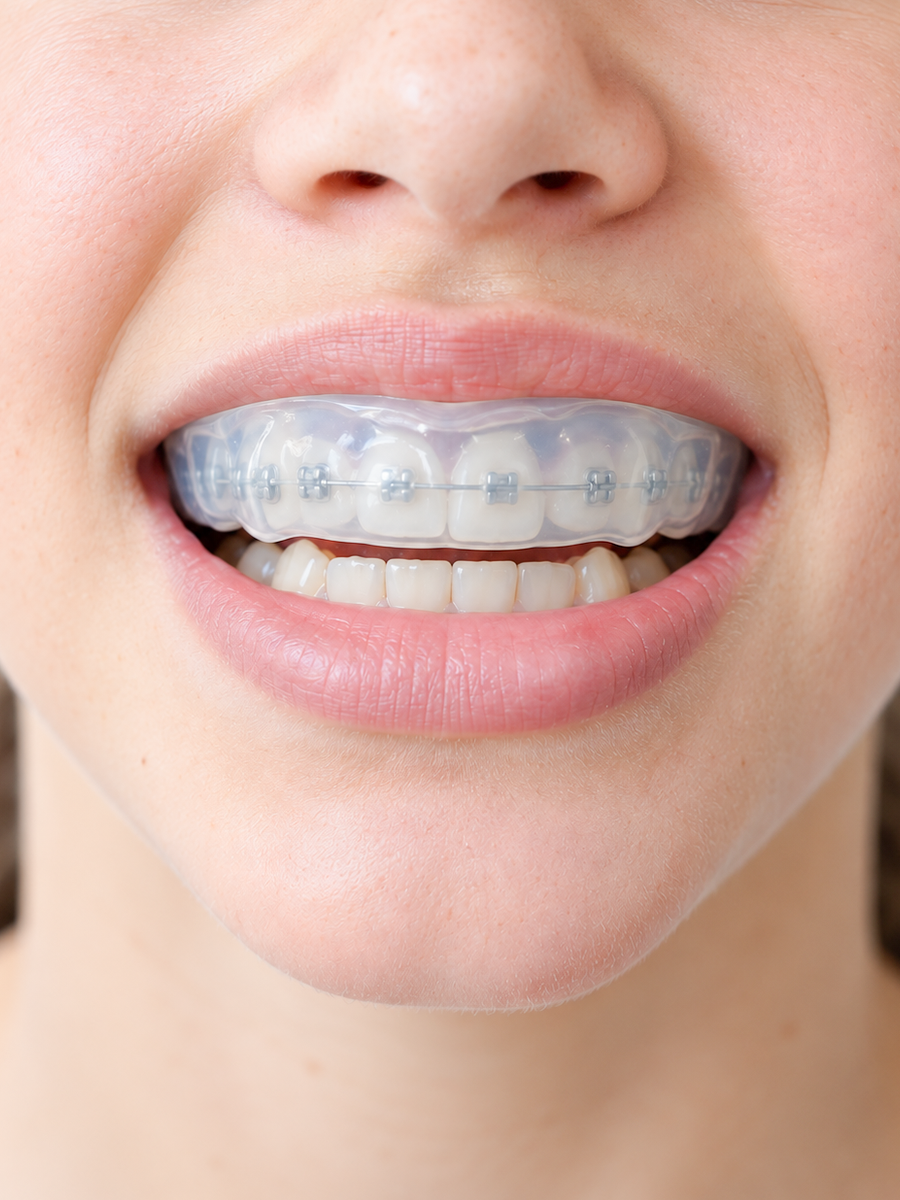
Children with braces need extra consideration. An impact can push brackets or wires against the lips and cheeks, causing cuts or other injuries. An orthodontic mouthguard should accommodate the braces without placing excessive pressure on them. As teeth move during treatment, the fit may change, so regular checks are important.
Parent’s checklist:
- Choose a mouthguard suited to your child’s sport.
- Check that it fits comfortably and securely.
- Ask your dentist or orthodontist about mouthguards for braces.
- Replace damaged or poorly fitting mouthguards.
2. Clean it, check it, replace it
A dirty mouthguard has no place in a healthy mouth. Mouthguards can accumulate saliva, food debris and bacteria if they are not cleaned properly.
After each use, rinse the mouthguard with cool water and clean it gently with a soft toothbrush and mild soap, following the manufacturer’s instructions. Allow it to dry before storing it in a clean, ventilated case. Avoid hot water unless specifically required for fitting, as heat can distort the material.
Check the mouthguard regularly for cracks, tears, rough edges or changes in fit. Children’s mouths change as permanent teeth emerge and their jaws grow, meaning a mouthguard that fitted last season may no longer provide adequate protection.
Arrange a dental check if the mouthguard becomes loose, uncomfortable or difficult to wear. Regular assessment helps ensure it continues to fit appropriately throughout the season.
3. Prioritise good habits, nutrition and hydration
Staying hydrated is essential during physical activity, particularly in warm weather. Encourage children to drink water before, during and after training. Water also helps rinse away food particles and supports saliva production, which protects teeth against decay.
Sports drinks may contain high levels of sugar and acids, increasing the risk of tooth decay and enamel erosion when consumed frequently. They are not usually necessary for every recreational activity.
Pack nutritious snacks and encourage children to drink water after eating. Maintain a consistent oral hygiene routine at home, including brushing twice daily with fluoride toothpaste and cleaning between the teeth as appropriate for their age.
These everyday habits help protect teeth throughout the sports season, not just on game days.
4. Know your dental emergency first aid
Accidents can happen even when children wear protective equipment. Knowing how to respond can help limit further damage and improve the chances of saving an injured tooth.
If a tooth is chipped or broken
Help your child stay calm, rinse their mouth gently with clean water and apply a cold compress to the outside of the face to reduce swelling. If you find the broken fragment, keep it in a clean container and take it to the dentist.
Contact a dentist promptly, even if the damage appears minor. Cracks may extend deeper than they look, and some injuries affect the inner tooth or supporting tissues.
If a permanent tooth is knocked out
A knocked-out permanent tooth requires immediate dental attention. The chances of successful replantation are generally best when treatment occurs as soon as possible, ideally within 30 minutes.
1. Pick up the tooth by the crown, avoiding contact with the root.
2. Rinse it gently with milk or saline if it is dirty. Do not scrub it.
3. Seek urgent dental care. If the child is conscious, cooperative and able to do so safely, an adult may gently reinsert the permanent tooth without forcing it into place.
4. Keep the tooth moist in milk or a suitable tooth-preservation solution if it cannot be reinserted. Do not let it dry out.
5. Go to a dentist immediately. Do not wait for a routine appointment.

Never replant a baby tooth, as this may damage the developing permanent tooth underneath. If your child has lost consciousness or shows signs of a serious head or facial injury, seek emergency medical assistance first.
If a tooth is loose or displaced
A tooth that has become loose or moved out of position needs urgent dental assessment. Do not try to straighten it yourself. Prompt treatment is important even when your child has little pain.
Be prepared: Keep sterile gauze, a clean container, saline solution, a cold pack and your dentist’s emergency contact details with your child’s sports gear. A tooth-preservation kit can also be useful.
5. Get their smile game-ready
Get their teeth checked before the season kicks off. A pre-season dental visit can help spot decay, existing damage or other concerns before the action begins. Your dentist can also check that your child’s mouthguard fits properly and offers suitable protection for their age, developing teeth and chosen sport.
Keep up regular dental visits throughout the year, too. Preventive care helps catch problems early and keeps growing teeth and gums in good shape, both on and off the field.
Help your child enjoy a safer summer
The best summer sports memories should be about great games, new friendships and having fun, not unexpected trips to the dentist. A well-fitted mouthguard, plenty of water and healthy daily habits can help keep dental injuries and other oral health problems off the scoreboard.
Before the season kicks off, check that your child’s protective gear is ready and book a dental check-up to catch any concerns early. Your dentist can help make sure their mouthguard fits properly and their growing teeth are ready for the action.
Get the preparation right, then let the fun begin. With a little planning and the right protection, your young athlete can get out there, give it their all and keep smiling long after the final whistle.